A stroke can change life very quickly, but getting better happens step by step. After a stroke, many people feel weak, tired, or confused about how their body is moving. Simple things like walking, holding objects, or standing can become hard.
This is where Post-Stroke Physical Therapy helps a lot. It teaches the body and brain how to work together again in a safe and slow way so a person can feel stronger and more independent over time.
Recovery takes patience, care, and practice every day.
Understanding Stroke and Its Impact on the Body
A stroke happens when blood cannot reach part of the brain. The brain needs blood to work properly. When it does not get enough blood, some parts of the body may stop working the way they used to.
After a stroke, a person may feel:
- Weakness in arms or legs
- Trouble walking or standing
- Stiff muscles that feel tight
- Problems with balance
- Feeling very tired
Even though this sounds scary, the brain can learn new ways to help the body move again. This is why therapy is very important.
What Is Post-Stroke Physical Therapy?
Post-Stroke Physical Therapy is a special kind of training that helps people after a stroke. It uses simple exercises and guided movements to help the body become stronger again.
It helps by:
- Making weak muscles stronger
- Helping people walk better
- Improving balance
- Making stiff muscles more flexible
- Helping daily activities become easier
It is not like playing sports. It is slow and careful training that helps the brain and body work together again.
Why Post-Stroke Physical Therapy Is So Important?
After a stroke, the body needs help to heal. Without therapy, muscles can become even weaker and stiffer.
Therapy is important because it:
- Helps people move again safely
- Stops muscles from getting too stiff
- Helps prevent falls
- Makes daily life easier
- Builds confidence step by step
Starting early often helps people improve faster.
Key Goals of Post-Stroke Physical Therapy
The main goal is to help people become more independent again. Every person gets a different plan based on what they need.
1. Helping the Body Move and Become Strong
Therapists guide simple movements like lifting arms or bending legs. These small actions help the body get stronger over time.
2. Helping with Balance and Walking
Many people find it hard to walk after a stroke. Therapy helps by:
- Practicing standing safely
- Taking small steps with help
- Learning balance exercises
- Moving slowly with support
This helps people feel safer while walking.
3. Making Tight Muscles Relax
After a stroke, muscles can feel very tight. Gentle stretching and slow movements help relax the body.
4. Helping with Daily Activities
Therapy also helps people do everyday things like:
- Sitting down and standing up
- Holding objects
- Walking inside the home
- Using stairs carefully
These small steps help people feel more independent.
What Happens During Post-Stroke Physical Therapy Sessions?
Step 1: Checking the Body
The therapist looks at how the person moves, sits, and stands. This helps understand what parts of the body need help.
Step 2: Simple Exercises
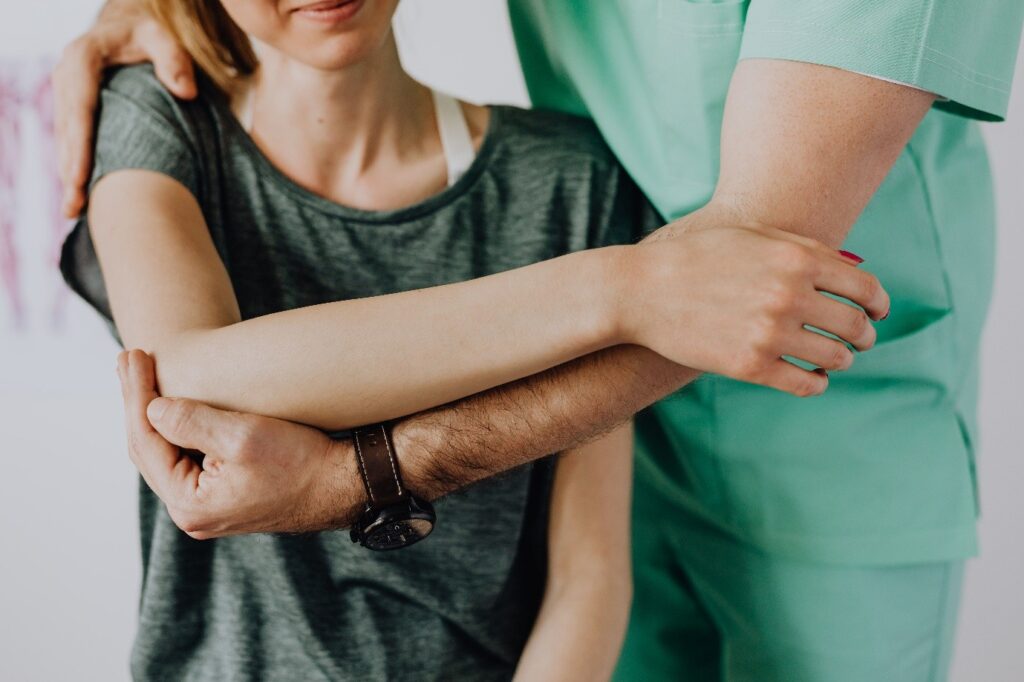
The patient does easy movements like lifting arms or moving legs slowly. The therapist helps make sure everything is done safely.
Step 3: Balance Practice
The person practices standing and keeping balance with support. This helps reduce the chance of falling.
Step 4: Real Life Practice
The therapist helps the patient practice daily activities like walking or turning. This makes normal life easier again.
Step 5: Home Practice
Simple exercises are given to do at home every day. This helps the body keep getting stronger and improving.
Emotional and Mental Benefits of Therapy
Stroke recovery is not only about the body. It also affects feelings.
Post-Stroke Physical Therapy helps people:
- Feel more confident
- Feel happier about progress
- Believe in their recovery
- Feel less afraid of moving
- Stay motivated
Even small progress, like moving a finger or taking one step, can make a person very happy.
Challenges During Stroke Recovery
Recovery is not always easy. Some common challenges are:
- Feeling tired quickly
- Slow progress
- Tight or stiff muscles
- Fear of falling
- Feeling frustrated sometimes
Therapists help by encouraging patients and making exercises easier or harder based on their needs.
Importance of Consistency in Recovery
Doing therapy regularly is very important. Small practice every day helps the body learn better.
Consistency helps:
- The brain learns new movement patterns
- Muscles become stronger
- Balance improves slowly
- Recovery becomes steady
Missing practice can slow down progress, so regular effort is important.
How Families Can Support Recovery?
Family support makes a big difference. Loved ones can help by:
- Encouraging practice every day
- Helping with safe movement
- Staying patient and kind
- Reminding about exercises
- Celebrating small improvements
Kind support helps the person feel stronger and more hopeful.
When to Start Post-Stroke Physical Therapy
Therapy usually starts after the doctor says it is safe.
It can begin when:
- The person is medically stable
- The doctor allows movement
- The body is ready for gentle exercises
Starting early helps the body recover better and faster.
Connect With Us!!
Recovering after a stroke takes time, care, and patience. With the help of Post-Stroke Physical Therapy, people can slowly learn to move again, get stronger, and feel more independent. Every small step matters, even if it feels tiny.
If someone keeps practicing and gets the right support, life can become better again step by step. For caring and simple recovery support where we help people rebuild strength and confidence through guided therapy, you can visit us at Therapy Consultants.
Frequently Asked Questions (FAQs)
- Q – What is Post-Stroke Physical Therapy?|
A – It is a special way of helping people after a stroke so they can move, walk, and feel stronger again using simple exercises. - Q – Can people get better after a stroke?
A – Yes, many people improve slowly with time, practice, and therapy. The brain can learn new ways to help the body move. - Q – Does physical therapy hurt?
A – No, therapy should not hurt. Some exercises may feel a little hard, but they are always safe and controlled. - Q – How long does recovery take?
A – Recovery is different for everyone. Some people get better in weeks, while others take months or longer. - Q – Why is practice at home important?
A – Home practice helps the body remember movements and makes recovery faster and stronger.