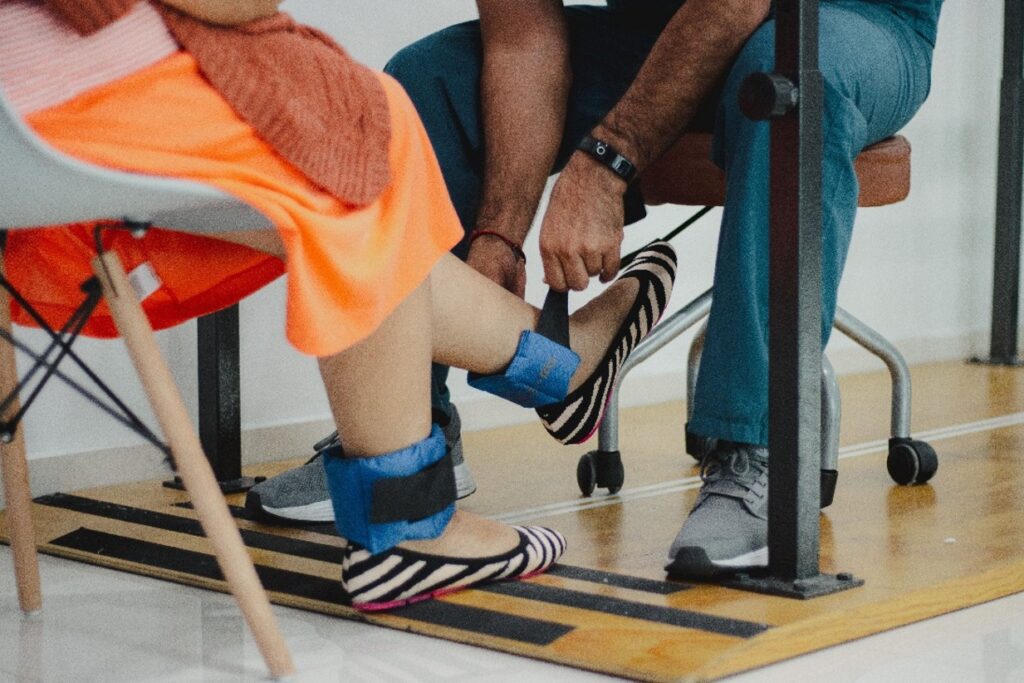
A stroke can change life in a moment, turning simple tasks like walking, dressing, or holding a cup into unexpected challenges. Yet, life after a stroke is not defined by what has changed alone.
With the right support, patience, and practice, many people can work toward greater independence and a better quality of life.
Post stroke therapy plays an important role in this journey by helping survivors rebuild skills, adapt to new challenges, and work toward meaningful personal goals.
For stroke survivors and families in Chattanooga, Tennessee, understanding rehabilitation is an important first step toward planning life after hospital care.
Understanding Life After a Stroke
A stroke happens when blood flow to part of the brain is blocked or when a blood vessel in the brain breaks. Because the brain controls movement, speech, memory, and many other functions, a stroke can affect people in different ways.
Some survivors experience weakness on one side of the body. Others may have trouble with balance, coordination, speech, or everyday tasks. Feelings of tiredness and changes in mood can also make recovery more challenging.
No two recovery journeys are exactly alike. The type of stroke, the area of the brain affected, overall health, and access to rehabilitation can all influence progress.
The goal after a stroke is not simply to leave the hospital. It is also to help each person work toward the safest and most fulfilling life possible.
How Post Stroke Therapy Supports Everyday Recovery?
Rehabilitation helps stroke survivors practice skills, improve movement, and find new ways to manage daily activities. The treatment plan depends on each person’s needs, abilities, and goals.
-
Improving Strength and Movement
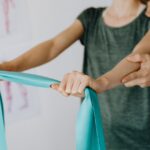
Weakness and reduced control of the arms or legs can make daily activities difficult after a stroke. Physical therapy may include guided movements, strength exercises, and repeated practice of useful tasks.
For example, a therapist may help a person practice standing from a chair, moving safely between surfaces, or taking steps with the right level of support.
These activities are chosen to match the person’s abilities. Progress may happen slowly, but regular practice can help build skills and confidence over time.
-
Building Better Balance and Walking Skills
A stroke may affect balance, making it harder to stand, turn, or walk without support. This can increase the risk of falls and make people less confident about moving around.
A rehabilitation professional may use balance activities, walking practice, and exercises that improve coordination. Training may also include learning how to use a cane, walker, or other aid safely when needed.
For Chattanooga residents who want to return to everyday activities, such as moving around the home or visiting family, improving safe mobility can be an important rehabilitation goal.
-
Making Daily Tasks Easier
Everyday activities often require several skills working together. Getting dressed, preparing a meal, bathing, and reaching for objects can become challenging after a stroke.
Occupational therapy can help people practice these tasks and explore safer ways to complete them. A therapist may suggest changes to the home, helpful equipment, or new techniques that make daily routines easier.
These changes are not signs of failure. They are practical tools that can help survivors maintain dignity and take a more active role in their own lives.
-
Supporting Communication and Thinking Skills
Some stroke survivors have difficulty finding words, understanding conversations, remembering information, or staying focused. These changes can affect relationships and everyday decision-making.
Speech-language therapy may help with communication and, when appropriate, certain thinking skills. People who have trouble swallowing may also need a specialist assessment and treatment plan.
Family members can support communication by speaking clearly, allowing extra time for answers, and reducing background noise during conversations.
Post-stroke care may involve several professionals working together. The team should focus on the survivor’s needs rather than expecting everyone to follow the same recovery plan.
What Makes a Rehabilitation Plan Effective?
Good rehabilitation begins with clear goals and a plan that fits the person’s needs. Instead of focusing only on what is difficult, the care team should also consider what the survivor can do and which skills they want to improve.
Setting Small, Meaningful Goals
A large goal, such as walking independently, may feel overwhelming at first. Breaking it into smaller steps can make progress easier to track.
Goals might include standing safely, walking a short distance with support, or getting dressed with less help. Celebrating these achievements can help survivors stay motivated.
Practicing Safely and Consistently
Regular practice helps survivors work on skills learned during therapy. However, exercises should match their abilities and medical needs. Doing too much too soon can cause fatigue or increase the risk of injury.
A qualified therapist can explain which activities are safe, how often to practice, and when to rest. Family members should follow these instructions instead of introducing new exercises without guidance.
Adjusting Care as Needs Change
Recovery does not always follow a straight path. Some days may feel easier than others, and progress can vary over time. Treatment goals may need to change as strength, movement, and daily needs change.
For this reason, post stroke therapy should include regular reviews of progress and adjustments to the treatment plan. If new symptoms appear, medical advice is important rather than assuming they are part of normal recovery.
How Families Can Support Life After a Stroke?
Family support can make everyday life easier for a stroke survivor. Loved ones can encourage practice, help with safe daily routines, and offer emotional support without taking over every task.
Here are a few useful ways to help:
- Encourage independence: Allow your loved one to complete safe tasks at their own pace.
- Make the home safer: Keep walkways clear, improve lighting, and follow professional advice about safety equipment.
- Be patient: Give extra time for movement, speech, and everyday activities.
- Support rest: Fatigue is common after a stroke, so balance activity with breaks.
- Attend appointments when possible: Understanding the treatment plan can help you provide the right support at home.
Caregivers also need time to rest and look after their own well-being. Asking other family members for help or discussing concerns with the healthcare team can make caring for a loved one more manageable.
Moving Forward With Support and Confidence
Life after a stroke may look different, but meaningful goals remain possible. With patience, the right guidance, and steady practice, survivors can work toward safer movement, greater independence, and more confidence in daily life.
Post stroke therapy can help support this process through care that reflects each person’s abilities and needs.
At Therapy Consultants, we understand that every recovery journey is different. We encourage Chattanooga-area survivors and families to reach out to us to learn more about our physical therapy services and discuss whether our approach may support their rehabilitation goals.
Frequently Asked Questions
- Q – When should rehabilitation begin after a stroke?
A – Rehabilitation often begins in the hospital once the medical team determines that the person is stable enough. The timing and type of activity depend on the stroke, overall health, and medical advice.
- Q – How long does stroke recovery take?
A – Recovery varies widely. Some people make noticeable progress in the first few months, while others continue working on skills for much longer. A healthcare team can help set realistic goals.
- Q – Can someone improve their walking after a stroke?
A – Many survivors can work on walking, strength, and balance through suitable rehabilitation. Results depend on the effects of the stroke, overall health, and individual progress. Some people may continue to need walking aids or support.
- Q – What type of therapy may be needed after a stroke?
A – Physical therapy can help with movement and balance. Occupational therapy focuses on everyday tasks, while speech-language therapy may help with communication and swallowing problems. The right combination depends on individual needs. - Q – Can stroke rehabilitation continue at home?
A – Yes. Some exercises and daily activities can continue at home when recommended by the care team. A safe home routine should follow professional instructions and include the right balance of activity and rest.