Have you ever had to stop eating because of jaw pain, or struggled to enjoy a simple conversation? Jaw pain can turn small daily tasks into frustrating moments. But what if understanding the problem could help you take the first step toward feeling better?
TMJ Therapy may help people with jaw discomfort find suitable ways to improve movement and ease pain. Knowing what causes your symptoms can help you make better choices about your care.
What Is TMJ Therapy, and Why Does It Matter?
Your jaw works like a moving hinge. It helps you speak, chew food, laugh, and yawn. Small joints on both sides of your head connect your lower jaw to your skull. These are called temporomandibular joints, or TMJs.
When these joints or the muscles around them do not work well, you may feel pain or find it harder to move your mouth. These problems are often called temporomandibular disorders, or TMDs.
TMJ Therapy includes different ways to manage these problems. Depending on the cause, treatment may focus on easing muscle tightness, helping the jaw move more freely, or making daily activities less painful.
Since each person’s symptoms are different, the right plan should be based on a proper assessment.
Common Signs You May Need Help With Jaw Pain
Jaw problems do not always begin with strong pain. Sometimes, small changes appear first. Paying attention to these signs can help you decide when to seek advice.
Look out for these common symptoms:
- Soreness around the jaw: Your cheeks or jaw muscles may hurt when you chew or touch them.
- Clicking sounds: Your jaw may click or pop as you open your mouth.
- Limited movement: Opening your mouth wide may feel difficult or uncomfortable.
- Jaw locking: Your mouth may become stuck in an open or closed position.
- Pain near the ears or neck: Discomfort may spread to nearby areas.
- Headaches: You may notice headaches along with jaw pain or muscle tightness.
A clicking sound alone does not always mean you have a jaw disorder. However, pain, locking, or difficulty moving your mouth should not be ignored.
What Can Cause Jaw Problems?
There is no single reason why everyone develops jaw pain. For some people, an injury may be the cause. For others, daily habits or muscle strain may play a part.
Common factors include:
- Grinding your teeth while sleeping.
- Clenching your jaw when stressed or busy.
- An injury that affects the jaw.
- Repeated strain on the muscles used for chewing.
- Changes or swelling in the jaw joint.
Sometimes, several factors work together. For example, a person who often clenches their teeth may put extra pressure on their jaw muscles.
Finding the possible cause is important because the same treatment may not work for every problem. A dentist, doctor, or qualified physical therapist can help assess your symptoms and suggest suitable next steps.
How Can the Right Treatment Support Jaw Comfort?
The goal of treatment is to help you move your jaw with greater ease and manage pain safely. Many people can begin with simple care rather than more complex procedures.
-
Gentle Hands-On Care and Exercises
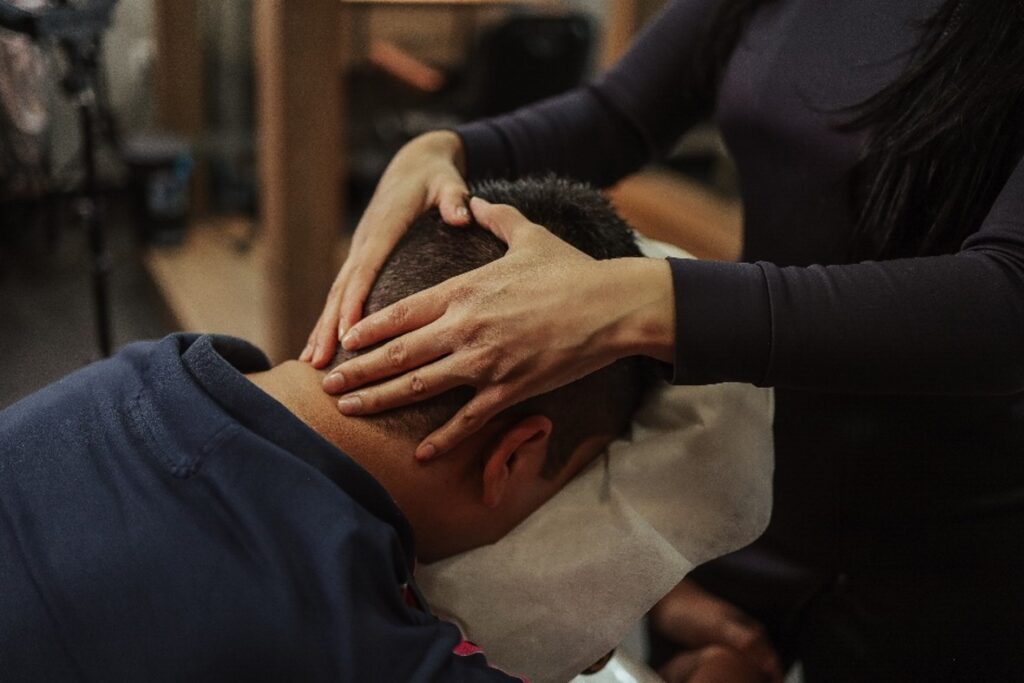
Depending on your needs, a physical therapist may use gentle hands-on methods to help reduce muscle tightness and improve movement.
You may also learn exercises designed to help your jaw move in a smooth, controlled way. These exercises should be chosen for your condition. Do not force your mouth open or continue movements that make your pain worse.
-
Small Changes You Can Make at Home
Your daily habits can affect how much work your jaw has to do. Small, simple adjustments may help ease the strain.
- Choose softer foods when chewing feels painful.
- Take a break from chewing gum and very hard foods.
- Notice when you clench your teeth and try to relax your jaw.
- Use a warm or cold pack if it feels comfortable.
- Follow professional advice before trying jaw exercises.
These steps may help ease discomfort, but ongoing symptoms need proper attention.
-
Care That Matches Your Needs
Some people may benefit from physical therapy, while others may need dental care or a medical assessment. Your symptoms, health history, and daily challenges can help guide the choice.
A good treatment plan should have clear goals and be reviewed as you progress. Avoid treatments that promise a guaranteed cure or suggest that everyone needs the same approach.
What Happens During a Jaw Assessment?
If jaw pain is affecting your daily life in Chattanooga, Tennessee, an evaluation can help you explore the treatment options available.
A healthcare professional may ask when the pain began, what makes it worse, and whether your jaw clicks or locks. They may also check how far you can open your mouth and whether the nearby muscles feel sore.
After the assessment, they can explain possible causes and discuss whether physical therapy, dental care, or another type of support may be suitable.
Recovery time differs from person to person. Seek prompt medical or dental care if your jaw becomes stuck or you cannot open or close your mouth normally.
If jaw pain occurs with chest pressure, breathing problems, sweating, or pain spreading into your arm, seek emergency medical help.
Why Should You Pay Attention to Jaw Pain?
It is easy to ignore mild discomfort when you have a busy day. But if jaw pain keeps returning, it may begin to affect your meals, sleep, conversations, and favorite activities.
Getting the right advice can help you understand what is happening and what you can do about it. The goal is not to chase a quick fix. It is to find a safe, practical way to improve comfort and protect everyday function.
For Chattanooga residents, taking action begins with noticing symptoms and speaking with a qualified healthcare professional.
Take the First Step Toward Better Jaw Comfort
Jaw discomfort does not have to become a normal part of your day. Understanding your symptoms can help you make informed choices and explore care that fits your needs.
TMJ Therapy may be one option for improving jaw movement and managing pain when it is appropriate for your condition.
At Therapy Consultants, we focus on personalized physical therapy and care built around individual goals. If jaw discomfort is affecting your daily routine in Chattanooga, consider reaching out to us to discuss your concerns and learn more about our services.
Frequently Asked Questions
- Q – What is TMJ Therapy used for?
A – It may help manage jaw pain, tight muscles, stiffness, and difficulty moving the mouth. The best approach depends on the cause of the symptoms.
- Q – Does jaw clicking always mean something is wrong?
A – No. Some people have painless clicking without other problems. If clicking comes with pain, locking, or limited movement, seek professional advice.
- Q – How long does treatment take to help?
A – There is no set timeline. Some people improve with simple changes, while others need a longer treatment plan. Progress depends on the cause and severity of the problem.
- Q – What can I do at home for jaw discomfort?
A – Try softer foods, avoid chewing gum, and pay attention to jaw clenching. A comfortable warm or cold pack may also help. Seek advice if the pain continues or gets worse.
- Q – Who should I contact about jaw pain in Chattanooga, TN?
A – You can start with a dentist or healthcare professional who has experience assessing jaw problems. Depending on your needs, they may recommend physical therapy or another specialist.