Even easy tasks might be difficult when you have shoulder ache. You may have trouble brushing your hair, lifting a bag, or reaching for something on a shelf. Many people think the pain will go away on its own, but that is not always true.
Shoulder Pain Physical Therapy in Chattanooga, Tennessee, helps people move better, feel stronger, and enjoy daily life again. With the right care and regular exercises, you can recover safely and keep your shoulder healthy for a long time.
Understanding Shoulder Pain
Your shoulder is one of the busiest joints in your body. It helps you lift, push, pull, throw, and reach in many directions. Since it moves so much every day, it can also get hurt more easily.
Shoulder pain can happen because of many reasons. Some common causes include:
- Rotator cuff injuries
- Muscle strains
- Tendon problems
- Frozen shoulder
- Arthritis
- Shoulder impingement
- Poor posture
- Sports injuries
- Repeating the same arm movements at work
Sometimes the pain starts after an injury. Other times, it develops slowly over time. Getting help early can stop the problem from becoming worse.
Why Physical Therapy Is So Effective for Shoulder Pain?
Many people use pain medicine or rest when their shoulder hurts. These may help for a short time, but they do not always fix the real problem.
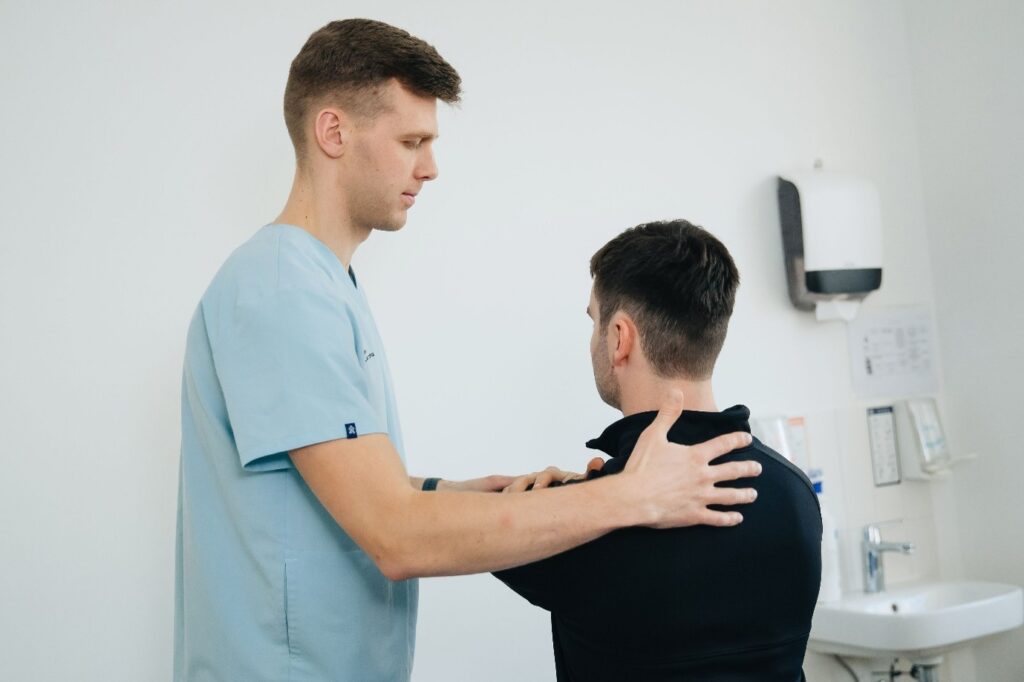
Physical therapy works differently. It helps find the reason behind your pain. A physical therapist checks how your shoulder moves, how strong it is, and what activities are causing discomfort.
Then, they create a treatment plan that is made just for you. This plan helps your shoulder heal the right way and teaches your body how to move safely again.
Instead of only covering up the pain, physical therapy helps improve how your shoulder works. This is why many people enjoy long-lasting relief.
Benefits of Shoulder Pain Physical Therapy
- Helps Your Shoulder Move More Easily
When your shoulder hurts, you may stop moving it because you are afraid of making the pain worse. Over time, this can make the joint become stiff.
Physical therapy includes gentle stretches and movement exercises that help your shoulder become flexible again.
As your shoulder moves better, daily activities become easier.
- Makes Your Muscles Stronger
Strong muscles help protect your shoulder. During therapy, you will do simple exercises that make the muscles around your shoulder stronger. These muscles help support your shoulder every time you move your arm.
Stronger muscles also reduce stress on the joint.
- Helps Reduce Pain
Physical therapy helps lower pain by improving the way your shoulder moves. To support your body’s natural healing process, your therapist may employ movement training, hands-on therapy, stretching, and strengthening exercises. Many people notice that their pain gets better as their shoulder becomes stronger.
- Improves Your Posture
The way you sit and stand can affect your shoulders. If you spend many hours looking at a computer or phone, your shoulders may move forward. Over time, this may cause pain.
Physical therapy teaches good posture and healthy body movements that reduce extra pressure on your shoulder.
- Helps Prevent Future Problems
One great benefit of physical therapy is that it teaches you how to protect your shoulder. You learn exercises and movement habits that keep your shoulder strong even after your pain is gone. This reduces the chance of suffering another injury.
What Happens During Shoulder Pain Physical Therapy?
Every person’s recovery is different. Your therapist will make a treatment plan that fits your needs and goals.
Your therapy sessions may include:
- Shoulder Checkup
Your therapist will look at how your shoulder moves, how strong it is, and where you feel pain. This helps create the best treatment plan for you.
- Stretching Exercises
Gentle stretches help your shoulder move more freely and reduce tightness.
- Strength Exercises
Simple exercises help build stronger muscles around your shoulder.
- Hands-On Treatment
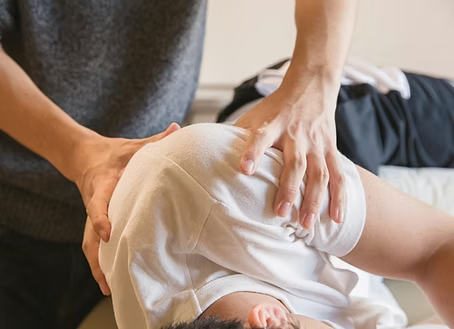
Sometimes your therapist uses gentle hands-on techniques to help reduce stiffness and improve movement.
- Everyday Movement Practice
You may learn better ways to reach, lift, carry, or complete daily tasks without putting too much stress on your shoulder.
Why Staying Consistent Matters?
Physical therapy works best when you keep following your treatment plan. Going to your therapy appointments is important, but your home exercises are just as helpful.
Doing your exercises every day helps your shoulder become stronger between visits. Even after you feel better, continuing some of these exercises can help keep your shoulder healthy and reduce the chance of future pain.
Common Mistakes That Can Slow Recovery
Some habits can make recovery take longer.
These include:
- Waiting too long before getting treatment
- Skipping home exercises
- Returning to heavy work or sports too early
- Using poor posture while sitting or standing
Following your therapist’s advice can help you recover more safely and more quickly.
When Should You See a Physical Therapist?
You should talk to a physical therapist if:
- Your shoulder hurts for many days.
- You cannot lift your arm easily.
- Your pain wakes you up at night.
- Your shoulder feels weak.
- Daily activities become difficult.
- Your shoulder feels stiff and does not move well.
Getting help early often makes recovery easier.
Choosing Shoulder Pain Physical Therapy in Chattanooga, Tennessee
Finding the right clinic is an important part of your recovery.
Look for a provider that offers:
- Personalized treatment plans
- One-on-one care
- Experienced physical therapists
- Regular progress checks
- Patient education
- Friendly support throughout recovery
A personalized plan helps your therapist adjust your treatment as your shoulder gets stronger.
Long-Term Benefits of Physical Therapy
Physical therapy offers benefits that last long after your shoulder feels better.
Many people enjoy:
- Stronger shoulder muscles
- Better flexibility
- Improved posture
- Easier movement
- Fewer future injuries
- More confidence during daily activities
These improvements can help you stay active and enjoy life with less pain.
People Also Ask (FAQs)
A – Yes. Physical therapy helps improve strength, movement, and flexibility. It also treats the cause of the pain, which can provide long-lasting relief.
A – Recovery is different for everyone. Some people feel better in a few weeks, while others may need therapy for a longer time.
A – Some exercises may feel a little challenging, but they should not cause severe pain. Your therapist will make sure the exercises are safe for you.
A – Physical therapy can help with rotator cuff injuries, frozen shoulder, tendon problems, arthritis, shoulder impingement, muscle strains, and many other conditions.
A – Choose a clinic that provides personalized care, experienced therapists, one-on-one treatment, and a plan that matches your recovery goals.
Connect With Us!!
Living with shoulder pain can stop you from doing the things you love, but the right care can make a big difference. Shoulder Pain Physical Therapy in Chattanooga, Tennessee, helps improve strength, reduce pain, and make daily movements easier.
At Therapy Consultants, we believe every patient deserves personal attention and a treatment plan made just for them. We work with you every step of the way to help you move better, feel stronger, and enjoy lasting shoulder health.